Personal Care Aides in Seattle, WA

Personal care aides (PCAs) in Seattle provide hands-on help with bathing, dressing, toileting, and the activities of daily living.

Reviewed by Carol Bradley Bursack, NCCDP-certified — Owner of Minding Our Elders

2 min read

·

Updated May 13, 2026

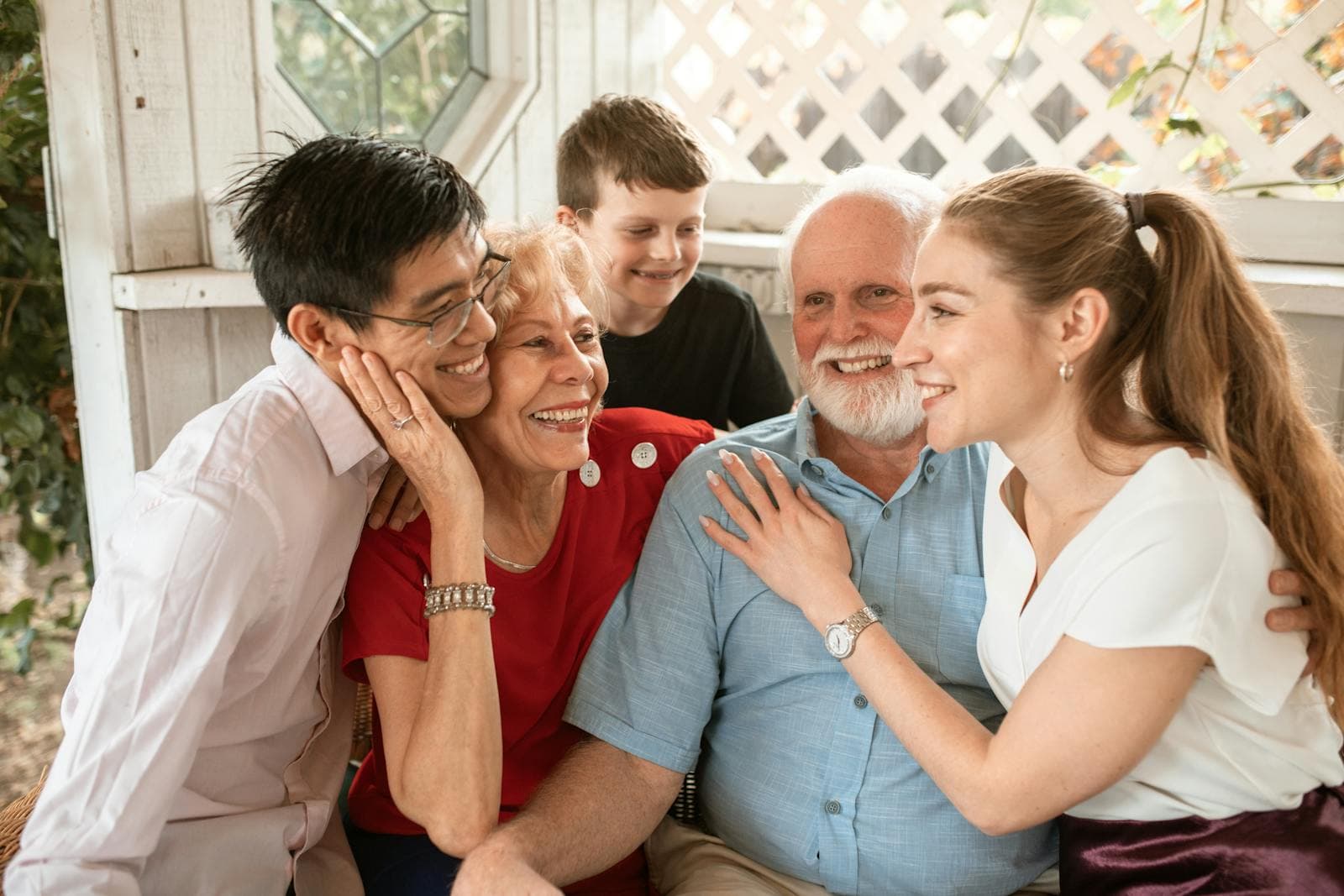
A multi-generational family shares a warm embrace at home — the audience for elder care services.

Personal care aides (PCAs) in Seattle provide hands-on help with the activities of daily living — bathing, dressing, toileting, transfers, eating, mobility — for seniors who need physical assistance beyond what companion caregivers can provide. Seattle-area rates run $28–$45 per hour (22 to 35 percent above the national average of national average). PCAs typically hold Certified Home Health Aide (CHHA) credentials in Washington, plus additional training for specific care needs.

What personal care aides do

The six ADLs:

  • Bathing — showering, sponge bathing, hair washing
  • Dressing — choosing and putting on clothes, including buttons and shoes
  • Toileting and continence care — getting to and using the toilet, hygiene afterward
  • Transferring — bed to chair, chair to toilet, lying to sitting
  • Eating — feeding assistance once food is prepared
  • Walking and mobility — safe ambulation around the home

PCAs in Seattle also support IADLs (meal prep, light housekeeping, medication reminders, errands).

PCA credentials in Washington

Washington typically credentials personal care aides through:

  • Certified Home Health Aide (CHHA): 75–120 hours of state-mandated training + competency exam
  • Certified Nursing Assistant (CNA): similar training, more common in facility settings
  • State-specific PCA credentials: some states have separate personal care attendant certifications

Verify caregiver credentials individually — agency licensing doesn’t automatically certify each caregiver.

Cost of PCA services in Seattle

  • Hourly: $28–$45 (22 to 35 percent above the national average of national average)
  • 20 hours/week: $2,400–$3,870 monthly
  • 40 hours/week: $4,816–$7,740 monthly
  • Live-in: $9,000–$14,000/month for CHHA-credentialed live-in care

Who pays for PCA in Seattle

  • Private pay (most common)
  • Long-term care insurance after ADL trigger
  • Washington’s Community First Choice (CFC) and COPES waiver for income-eligible Seattle seniors
  • VA H/HHA program for eligible veterans through the VA Puget Sound Health Care System
  • Medicare home health (only as part of short-term episodes ordered by physician)

How to vet a Seattle PCA agency

  • Washington home care license verification
  • Caregiver background checks (multi-state criminal, sex offender, MVR)
  • CHHA/CNA credentialing for individual caregivers
  • Consistency — same caregiver per visit, 80%+ goal
  • Reference calls with 2 current Seattle clients

A free 15-minute call with a senior care advisor can identify Seattle-area PCA agencies that match your parent’s specific ADL needs. Talk to an ElderCareServicesNearMe advisor when you’re ready.


Frequently asked questions

What's the difference between a PCA and an HHA in Seattle?

+

Personal Care Aide (PCA) is a generic term for state-credentialed direct-care workers. Home Health Aide (HHA) is the federal term used by Medicare-certified home health agencies. Washington's specific credential is typically called CHHA (Certified Home Health Aide). For practical purposes, all three can provide personal care in Seattle home settings. Verify state-specific credentialing.

Can a PCA administer medications in Seattle?

+

Depends on Washington regulations and the PCA's specific credentials. Most companion-level PCAs can only provide medication reminders, not administration. CHHA-certified caregivers may administer medications under physician's orders in some states. Nursing-level care (RN, LPN) is required for IV medications, injections, and complex regimens. Confirm with Seattle-area agency.

How many hours of PCA does a typical Seattle senior need?

+

Varies widely. Mild needs: 2–4 hours daily for morning routine (bathing, dressing, breakfast). Moderate: 4–8 hours daily covering ADL and IADL support. Advanced: live-in or 24-hour. Most Seattle families start with 2-hour morning shifts and scale based on observed needs. A geriatric assessment helps right-size the plan.

Does Medicare pay for PCA services in Seattle?

+

Not as a standalone service. Medicare's home health benefit may include some PCA hours when bundled with skilled care for short-term recovery (physician's order required). For ongoing PCA services, Medicare doesn't pay. Most Seattle families fund through private pay, long-term care insurance, Washington's Community First Choice (CFC) and COPES waiver, or VA benefits coordinated through the VA Puget Sound Health Care System.

Can I hire an independent PCA in Seattle?

+

Yes, but you become the legal employer — handling payroll taxes, workers' comp, supervision, backup coverage. Independent PCAs cost 25–40% less per hour but transfer significant responsibility. Many Seattle families with stable, predictable care needs hire independents successfully; families new to home care or with complex needs prefer agencies that absorb employer risk.

Share this article

About the author

David Thompson, LPN, Certified Care Manager

Elder Care Coordinator

David has coordinated elder care plans for more than 700 families across Virginia and Maryland. A Licensed Practical Nurse and Certified Care Manager, he writes about the full menu of elder care services — personal care, home health, geriatric assessments, ADL/IADL planning — and how to choose what your family actually needs without paying for what it doesn't.

View full bio

Related articles

A family sits together discussing important information — the kind of decision elder care services help with.

Building a Care Plan for a Seattle Senior

An 8-step process for building a senior care plan specific to Seattle — needs assessment, services map, funding strategy, family alignment.

David Thompson

  • Aging in Place
  • Choosing a Provider
Grandparents embrace their grandchild at home — a moment elder care services help preserve.

Elder Care Coordination in Seattle, WA

Care coordination keeps your Seattle parent's care plan working — one care manager managing doctors, pharmacy, home health, and the in-home team.

David Thompson

  • Aging in Place
  • Choosing a Provider
Smiling grandparents enjoy time with their granddaughter at home — the goal of well-chosen elder care services.

Home Health vs Personal Care in Seattle

Home health is clinical and short-term; personal care is non-medical and ongoing. Seattle families need to know the difference to avoid paying for the wrong service.

David Thompson

  • Aging in Place
  • Choosing a Provider
A multigenerational family enjoys a moment together at home, illustrating the wider impact of elder care services.

Geriatric Assessment Services in Seattle

A geriatric assessment in Seattle produces a written care plan and 12-month trajectory — the single most useful first step for most families.

David Thompson

  • Aging in Place
  • Choosing a Provider
Smiling grandparents enjoy time with their granddaughter at home — the goal of well-chosen elder care services.

Types of Home Care Services: ADLs, IADLs, and What Each Covers

Five categories of home care, each defined by what kind of help is delivered — and the right way to figure out which your parent needs.

David Thompson

  • Aging in Place
  • Choosing a Provider
A family sits together discussing important information — the kind of decision elder care services help with.

Building a Senior Care Plan: A Step-by-Step Guide

A written senior care plan replaces six months of trial-and-error with a clear-eyed 12-month roadmap — here's the eight-step process.

David Thompson

  • Aging in Place
  • Choosing a Provider
An elderly couple cooks with their granddaughter — home-based elder care services in everyday life.

Seattle Senior Centers and Community Programs

Senior centers and community programs serving Seattle — activities, meals, transportation, and the social engagement that supports aging in place.

David Thompson

  • Aging in Place
  • Senior Wellness
A family sits together discussing important information — the kind of decision elder care services help with.

Washington Department of Aging Programs in Seattle

Washington's aging-services programs serving Seattle — what the Washington State Department of Social and Health Services (DSHS), Aging and Long-Term Support Administration (ALTSA) provides, how to access, and how it combines with federal Medicare and Medicaid.

David Thompson

  • Aging in Place
  • Paying for Care
An elderly couple cooks with their granddaughter — home-based elder care services in everyday life.

Seattle Senior Resources and Services Directory

Senior resources serving Seattle — Aging and Disability Services (the Seattle/King County AAA), senior centers, transportation, meal programs, legal aid, and Medicare counseling.

David Thompson

  • Aging in Place
  • Senior Wellness
Grandparents embrace their grandchild at home — a moment elder care services help preserve.

Cost of Elder Care in Seattle in 2026

Real Seattle-area 2026 numbers for every elder care service — companion, personal care, home health, adult day, 24-hour, facility — plus funding paths.

David Thompson

  • Aging in Place
  • Paying for Care
Smiling grandparents enjoy time with their granddaughter at home — the goal of well-chosen elder care services.

Elder Care Services in Seattle, WA: A Family Guide

The full menu of elder care services in Seattle, Washington — companion care, personal care, home health, adult day, geriatric assessment.

David Thompson

  • Aging in Place
  • Family Caregivers
A multigenerational family enjoys a moment together at home, illustrating the wider impact of elder care services.

What Are Elder Care Services? A Family Guide

Elder care services is an umbrella term for the full menu of support older adults use to live safely at home — here's what's actually on it.

David Thompson

  • Aging in Place
  • Family Caregivers
Grandparents embrace their grandchild at home — a moment elder care services help preserve.

How to Choose the Right Elder Care Services

The right elder care plan starts with an honest needs assessment, then maps to services — not the other way around.

David Thompson

  • Choosing a Provider
  • Senior Wellness
An elderly couple cooks with their granddaughter — home-based elder care services in everyday life.

How Much Do Elder Care Services Cost in 2026?

The real numbers — by service, by hour, by month — plus the four funding paths most families use to make the math work.

David Thompson

  • Aging in Place
  • Paying for Care